
Content
The majority of people are acutely aware of the long-term and very damaging effects alcoholism has on the body, but not many know that just as much damage can be done to relationships as well. The fact that alcoholism has a simultaneous destructive effect on physical and mental health and (committed and intimate) relationships is what makes it so different from other chronic health conditions. Once an alcoholic is in recovery and has been sober for some time, they may then be able to enter into a healthy relationship. However, it is crucial to remember that recovery is a lifelong process and there may be setbacks along the way. If you or your partner is struggling with addiction, it is important to seek professional help right away.
- Alcohol abuse, over time, will most likely result in a lack of sexual functioning in both men and women.
- Some people already feel so much shame for their alcoholism, they tend to begin rationalizing their other morally detrimental decisions.
- Couples therapy can be beneficial for partners who are struggling with alcohol addiction.
- Your husband may pick fights with you when he drinks or you’re no longer as intimate as you were before.
First, let’s look at some of the statistics on married people and alcohol. While drinking can lead to significant relationship challenges, it often doesn’t happen overnight. For this reason, it can be difficult to understand if and when your drinking has become unhealthy, how alcoholism affects relationships especially if alcohol has played a role in your relationship for a long time. This uncertainty is sometimes described as a phenomenon known as “gray area drinking“. Alcoholics may become aggressive or abusive towards their partners, which can have severe consequences.
Reinforcing Each Other’s Problem Drinking
Running away from one’s own emotions can also lead to dishonesty within relationships. Your brain quickly adapts to this change, producing less GABA and more glutamate. It is particularly common for those suffering from substance abuse to push away those who care about them and are concerned about their drug or alcohol use.
- In addition, while the alcohol concentrations listed are «typical,» there is considerable variability in alcohol content within each type of beverage (e.g., beer, wine, distilled spirits).
- While intoxication can sometimes increase sexual desire in the moment, it can also decrease vaginal lubrication, and increase chances of erectile dysfunction.
- Alcohol numbs emotions, leading to a lack of emotional intimacy in a relationship.
Alcohol abuse causes people to prioritize alcohol over their relationships. If you are in a relationship or in love with someone and either of you is struggling with alcoholism, help is available. Understanding the signs that you may need rehab for your alcohol addiction is a good first step. It’s also important to keep in mind that you cannot save anyone from his or her alcoholism.
APPROACHES TO ALCOHOL PROBLEMS
Maybe alcohol is a social lubricant for you, but its effects have been magnified in the recent past. The figure below provides an overview of a few recommended
tools in both interview and self-administered formats. Selection of self-report
or interview formats will be determined by clinician skill and preference,
as well as client literacy.
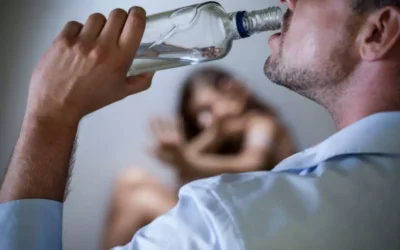
Not every person or couple who drinks heavily will engage in domestic violence or emotional abuse. Alcohol does not cause violence or abusive behavior, it merely makes the abuser feel more comfortable doing so. They react with stronger emotions due to the overstimulation of the reward system in the brain. Therefore, someone who is frustrated with a child will become unreasonably so and possibly angry. As a result, persons who are in relationships where heavy use of alcohol is common are more likely to experience domestic violence and frequent or recurring emotional abuse. Most of the issues these women faced were emotional, but it is clear that living with an alcoholic partner also impacts social health, physical well-being, relationships with children, and finances.
AND PROBLEM ASSESSMENT
From family therapy to residential treatment to outpatient services and aftercare, it’s important to find what journey will work best for you and your family. Many treatments for people who have a problem with alcoholism will include the partner in some way. Research has shown that involving partners in the treatment at some point can be very important in achieving a successful outcome. It is also very important that the problems in the relationship are addressed and resolved – these issues don’t magically disappear just because the drinking stops. Many couples are both surprised and disappointed that they continue fighting despite the removal of the perceived cause – namely the alcohol. There are many different alcohol rehab treatments available that can be effective in reducing or eliminating problems with alcohol while easing the symptoms of alcohol withdrawal.
When you use alcohol to relax or reward yourself, it creates a strong association in your brain between alcohol and pleasure. Eventually, your brain can adapt to crave alcohol in order to feel good, even despite negative consequences. When someone starts drinking in order to feel happy, https://ecosoberhouse.com/ their partner may see this change as a reflection on themselves, and internalize that their partner is unhappy in their relationship. If there are underlying issues in the relationship, drinking to feel happy can also prevent these issues from coming to the surface and getting resolved.
You do not have to put up with abusive behavior (including verbal abuse) and your safety and well-being are more important than any relationship. Living with a partner with unhealthy drinking habits can affect your own mental health. Inversely, there is approximately an equal amount of individuals with a mental health issue who also have a drug or alcohol abuse problem (SUD or AUD).

You should also help the family understand that requests for change
are part of the larger set of behavior changes described in this section of
the Guide. CHANGING
FAMILY COPING
Once you have assured the basic safety of the family, you can begin to address
changes in family behavior that may help the drinker recognize his/her drinking
as problematic. Providing a drinker with
choices is more than passive acceptance of the individual’s goals and preferred
route to change.
Finances are often one of the biggest stressors in a relationship, and if you add alcohol into the mix, finances can become even more volatile. This can happen for a variety of reasons, including overspending at the bar or grocery store, spending money on hangover cures and cab fares, and making irresponsible financial decisions when under the influence. Drinking can lead to even more serious financial consequences if an individual loses their job, or gets into legal trouble due to their drinking. You may
see the individual family member with the identified drinking problem alone
for a period of time, and then bring other family members back into treatment. In a comprehensive Alcohol Rehab Program, you’ll learn how to establish strong, honest relationships with people. At Burning Tree Programs, we work on constructive communication and ways to make amends with people.
Добавить комментарий